


News 5 min of reading
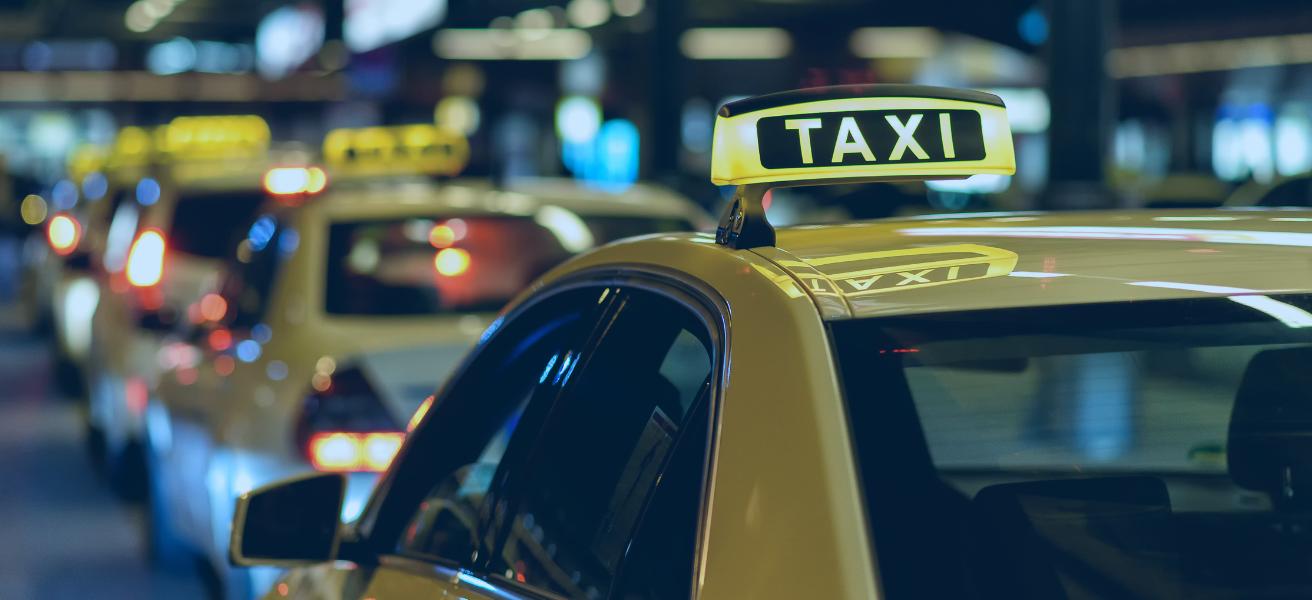
In a world where transport is constantly evolving, research from the University of Porto has made impressive progress, presenting a new methodology for predicting taxi passenger demand with the help of streaming data. This remarkable advance has won recognition from the world's largest professional society, the Institute of Electrical and Electronics Engineers (IEEE).
The IEEE award-winning methodology was developed to predict the spatial distribution of taxi passengers over a short-term time horizon using streaming data. But what does this mean in practice? By using a wide variety of data, such as current taxi locations, traffic patterns and even weather conditions, the new methodology can predict where demand for taxis will be highest in the near future.
The team of researchers from the University of Porto in Portugal worked diligently to develop this innovative methodology. The support and collaboration of the IEEE was fundamental to this breakthrough, demonstrating the importance of interaction between research institutions and global professional societies.
The methodology can have a variety of practical applications that could transform the taxi industry, especially in big cities. By understanding where demand will be high, taxi operators can position their vehicles more efficiently, saving time and fuel.
This research by the University of Porto could bring significant benefits for taxi efficiency. By knowing where demand will be highest, taxis can minimise the time spent empty and increase the amount of passengers they can serve in a given period.
Passengers would also benefit from this new methodology. By predicting demand, taxis could be available where and when passengers need them, reducing waiting times and improving the overall user experience.
In addition to the benefits for taxi drivers and passengers, the new methodology also has the potential to have a positive impact on the environment. By reducing the amount of time taxis spend empty, this could lead to a decrease in fuel consumption and, consequently, carbon emissions.
Although the methodology was developed specifically for taxis, it is possible that it could also be applied to other transport sectors. Delivery services, for example, could use the methodology to predict demand and plan more efficient routes.
The IEEE recognition is not only an honour, but also a confirmation of the relevance and potential impact of this new methodology. It highlights the University of Porto's work in the field of transport and streaming data.
Research at the University of Porto doesn't end here. The research team is continually working to improve the methodology and explore new applications. Based on its current success, it's safe to say that we can expect more innovations in the future.
What is the purpose of the new methodology?
The new methodology has been developed to predict where demand for taxis will be greatest in the near future, allowing taxi operators to position their vehicles more efficiently.
How does the methodology work in practice?
The methodology uses a variety of data, including the current location of taxis, traffic patterns and weather conditions, to make its predictions.
Who are the creators of the methodology?
The methodology was developed by a team of researchers from the University of Porto in Portugal.
What kind of recognition has the methodology received?
The methodology received an award from the Institute of Electrical and Electronics Engineers (IEEE), the world's largest professional society.
What is the potential impact of this methodology on the environment?
By reducing the time taxis spend empty, the new methodology has the potential to reduce fuel consumption and therefore carbon emissions.
The University of Porto's research and development of this new methodology for predicting taxi passenger demand using streaming data is a milestone in the field of transport. With the support of the IEEE, the methodology has the potential to transform the taxi industry, improve the user experience, increase efficiency and even have a positive impact on the environment.