


Blog 5 min of reading
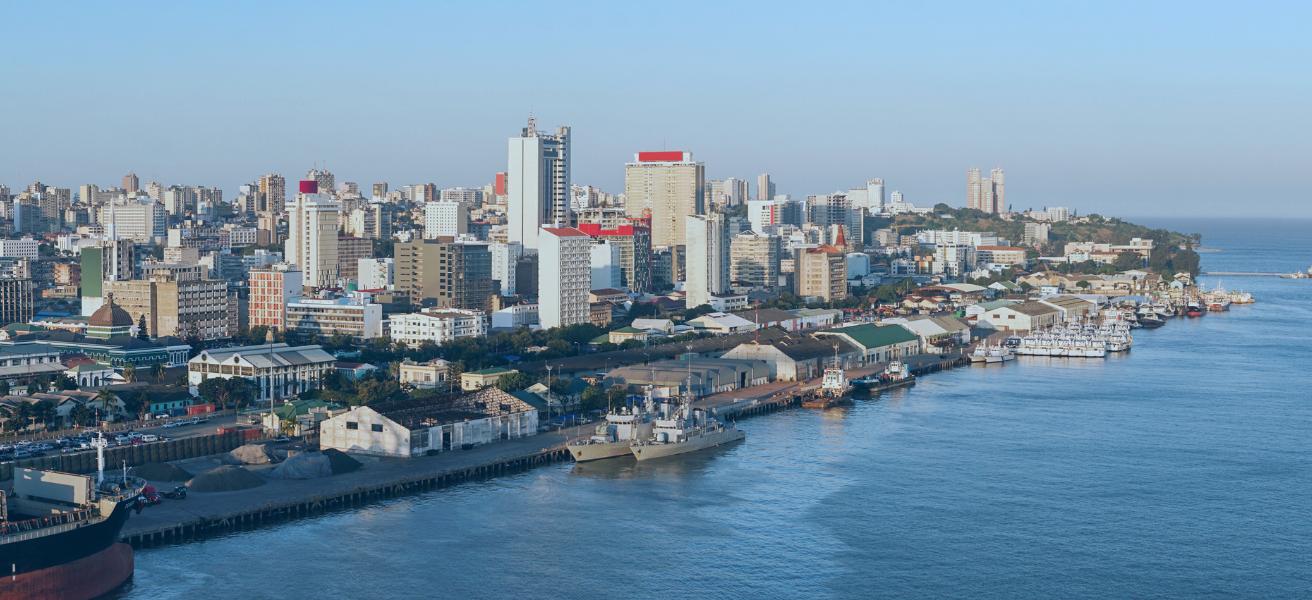
Mozambique, a vibrant country on the southeast coast of Africa, has been a rapidly growing nation in recent years. Its transition from a developing to an emerging economy is noteworthy. With a combination of abundant natural resources, a strategic geographical position, and consistent political and economic reforms, the country presents itself as a gem for attractive opportunities aimed at foreign investors.
Besides coal and natural gas, Mozambique has vast deposits of precious and semi-precious minerals. Investment in renewable energy infrastructure is also an area with incredible potential.
With a diverse climate, Mozambique has the capacity to cultivate a wide range of products. Investing in agricultural technology can revolutionize the sector.
From white sandy beaches to wildlife reserves, Mozambique has everything to become a global tourist hotspot.
Mozambique, despite its recent improvements and advancements, still faces considerable gaps in its infrastructure. This issue is particularly evident in the transportation sector. Whether in terms of roads, railways, or ports, the transportation infrastructure needs to be strengthened to support and facilitate the efficient movement of goods and people. Insufficient transportation infrastructure can not only limit internal and external trade but also adversely affect the country's attractiveness as an investment destination.
Mozambique's politics, although having achieved significant milestones, still experiences moments of instability. For a foreign investor, this volatility can represent unforeseen risks. Moreover, the regulatory environment in the country is complex. Bureaucracy, local regulations, and a lack of clarity in some policies can hinder the entry and operation of foreign companies. It is crucial for investors to understand this landscape and prepare adequately to navigate the Mozambican regulatory system.
Mozambique is a mosaic of cultures, traditions, and languages. For a foreign investor, this cultural diversity may initially seem like a barrier, especially in terms of communication and negotiation. However, when approached with respect and understanding, Mozambique's rich cultural tapestry can be turned into a strength. The ability to appreciate, understand, and integrate into the local culture can allow for the building of stronger, more reliable relationships, leading to successful and long-lasting business partnerships.
Mozambique, rich in natural resources and with a strategic geographic position, is also blessed with a young and increasingly educated population. The country's youth represents a dynamic and innovative workforce that can propel various sectors, from technology to manufacturing. Additionally, ongoing political and economic reforms are positive signs of a proactive government vision, seeking to modernize the economy, attract investments, and promote regional and global integration. All this points to a scenario where Mozambique could see robust and sustained economic growth over the coming decades.
In the Mozambican market, it is vital for investors to adopt an informed and flexible approach. Creating authentic connections in the country is crucial to understanding the market and overcoming challenges. Given Mozambique's rich cultural tapestry, understanding and respecting local diversity is essential for business success. Additionally, it is important to adjust business strategies to align with local needs, which may include adapting products or adopting sustainable practices. In summary, to seize opportunities in Mozambique, investors need to be well-prepared, adaptable, and committed to beneficial development for all.
1. Why is Mozambique considered attractive for investors?
Mozambique offers a combination of vast natural resources, a continuous pattern of economic growth, and a geographically advantageous position, making it attractive for investors.
2. What are the most promising sectors for investment in Mozambique?
The energy, agriculture, and tourism sectors emerge as the most promising for investment in the country, given its natural wealth and increasing demand.
3. Is the political environment in Mozambique stable?
Mozambique faces some political challenges, but it has made considerable efforts to maintain and promote political stability, which is crucial for a healthy business environment.
4. Do cultural differences represent a significant barrier in business in Mozambique?
While there is cultural diversity, with an informed approach that respects and values the local culture, businesses can navigate the market effectively and establish strong relationships.
5. What is the long-term economic outlook for Mozambique?
The outlook is positive. Mozambique, with continued investments and implementation of appropriate policies, is positioned for a bright economic future.
Mozambique, while presenting its challenges, stands out as a precious opportunity in the African economic landscape. The country offers significant potential returns for investors willing to dedicate time, effort, and resources to understand and harmonize with its market uniqueness.