


Blog 7 min of reading
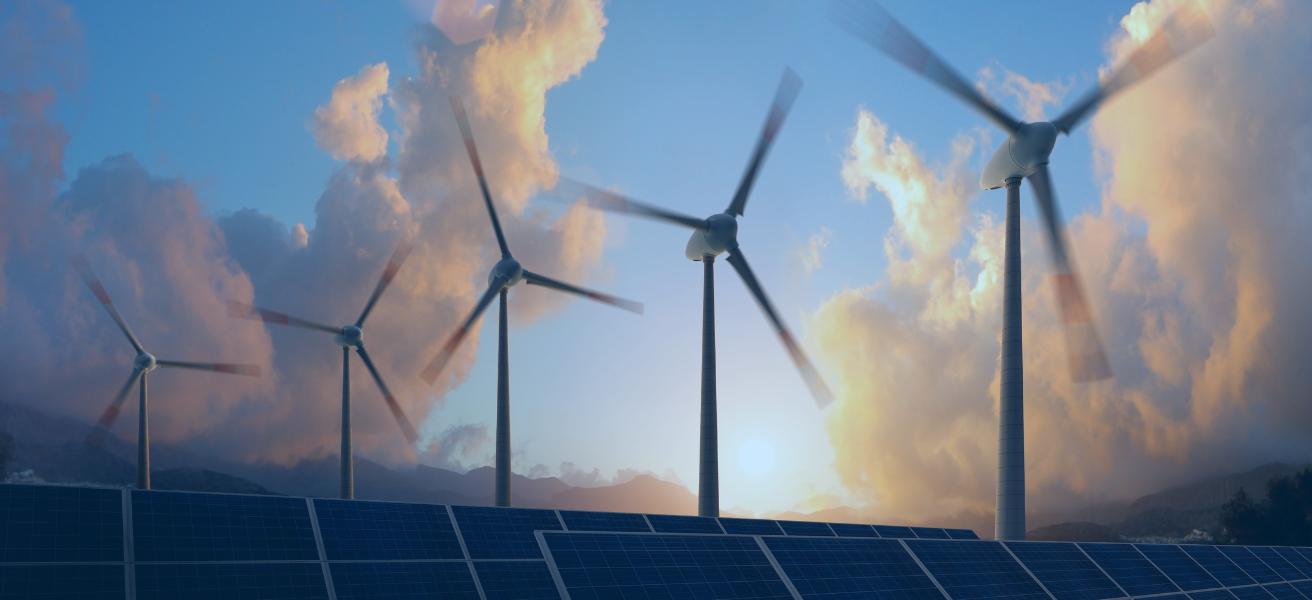
The modern world is deeply rooted in energy sources. Ever since industrialisation, the energy sector has been the backbone of our economy and a key driver for human development. However, energy efficiency and sustainability are ongoing challenges. This is where Lean culture comes into place, with its proven methodologies that can be applied to improve efficiency and promote sustainability.
Lean culture is a management system deriving from the Toyota Production System. It focuses on reducing waste (both material and time), continuous process improvement and efficient use of resources. This approach can be applied in any sector, including the energy sector, to optimise operations, increase efficiency and promote sustainability.
Lean culture first emerged in Japan during the post-war period, when Toyota began implementing manufacturing practices that focused on efficiency and eliminating waste. Over time, these practices developed into a comprehensive management system that is now known as Lean culture.
Lean culture is not restricted to the automotive industry. It has been applied in a variety of sectors, from healthcare and education to finance and energy. Lean methodologies have proven to be versatile and effective in optimising processes and promoting efficiency.
The energy sector is a complex field, dealing with energy production and distribution on a massive scale. Applying Lean culture in this sector can bring a series of benefits, including increased operational efficiency, reduced waste and more sustainable practices.
The energy sector faces a number of challenges, from maintaining old infrastructure to the need to adapt to environmental regulations. In addition, the sector needs to effectively manage energy production and distribution to meet growing demand.
Lean culture offers a range of tools and methodologies which could be applied to overcome the challenges faced by the energy sector. Through continuous improvement, standardisation of processes and elimination of waste, it is possible to improve operational efficiency and promote sustainability.
Continuous improvement is a key concept in Lean culture. In the energy sector, this can involve the continuous improvement of energy production and distribution processes, as well as the review and improvement of operational practices.
Eliminating waste is another key area of Lean culture. In the energy sector, this can involve reducing losses during energy production and distribution, as well as efficiently using available resources.
Standardisation of processes is an important part of Lean culture. In the energy sector, this can involve implementing standardised procedures for all operations, promoting consistency, efficiency and reducing errors.
Lean culture has the potential to transform the energy sector, driving efficiency and promoting sustainability. By applying its principles and methodologies, the energy sector can overcome its challenges, improve its operations and contribute to a more sustainable future.
Where does Lean culture come from?
Lean culture originated in Japan at Toyota as a set of manufacturing practices focused on efficiency and waste elimination.
What are the core principles of Lean culture?
The fundamental principles of Lean culture are value, value chain, flow, pull and perfection.
How can Lean culture be applied in the energy sector?
Lean culture can be applied in the energy sector through continuous process improvement, elimination of waste and standardisation of operations.
What are the benefits of Lean culture for the energy sector?
The benefits of Lean culture for the energy sector include greater operational efficiency, reduced waste and more sustainable practices.
What is continuous improvement within the energy sector?
Continuous improvement in the energy sector involves the constant enhancement of energy production and distribution processes, as well as the review and improvement of operational practices.
What is waste elimination in energy?
Eliminating waste in the energy sector can involve reducing losses during energy production and distribution, as well as the efficient use of available resources.
The Lean philosophy, which emphasises delivering value to the customer, eliminating waste and continuous improvement, holds a huge potential to transform the energy sector. Oporto Forte, recognised for its excellence across multiple sectors, has successfully implemented this philosophy, which highlights the potential positive impact Lean culture can bring to the energy sector. With the focus of Lean culture on improving quality, workplace safety and sustainability, it is possible to address many of the challenges currently facing the energy industry, making it more efficient, cost-effective and sustainable.