


Blog 9 min of reading
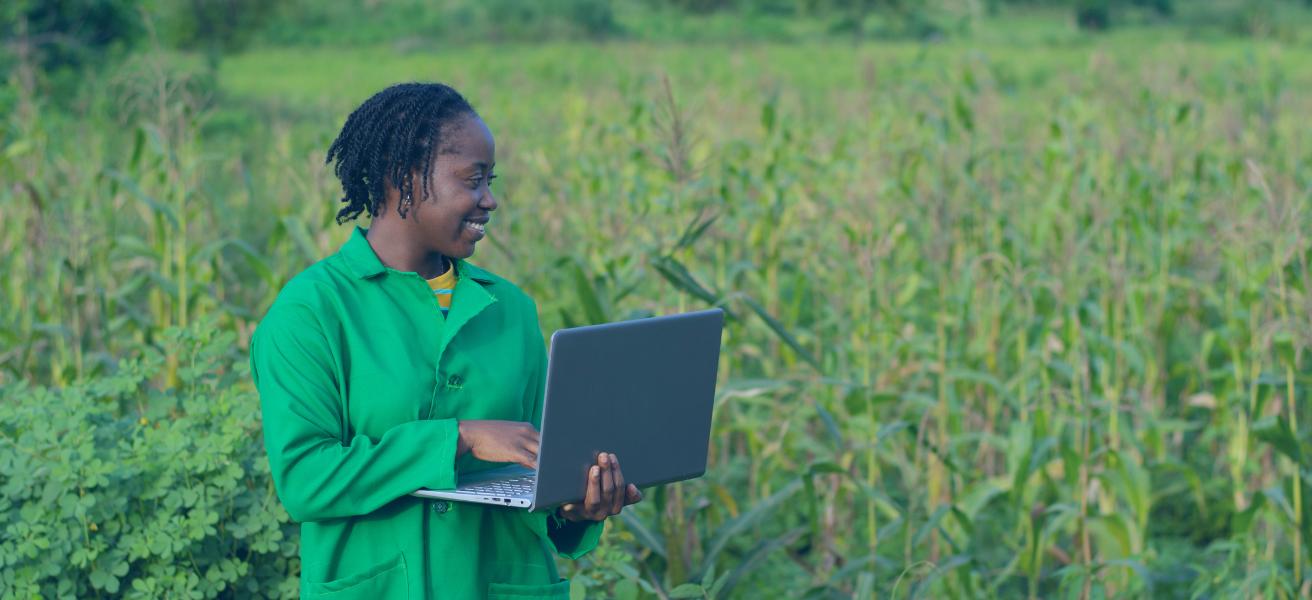
West Africa, a region full of diversity and rich in traditions, has seen a remarkable change in the agricultural landscape. The sector, once strongly wedded to traditional practices, is now in the midst of a revolution, known as Agri-Success. But what exactly is Agri-Success and how is it impacting West Africa?
Africa is experiencing a profound transformation in its agricultural sector, a revolution called "Agri-Success", which goes beyond mere technical upgrades. This metamorphosis not only addresses agricultural processes, but also impacts economic and social aspects, promising to raise living standards, ensure food security and mould a promising future for millions in the region.
The term "Agro-Success" is not just a modern name for agriculture. It encompasses the wave of change, the aspiration for progress and the passion of a region to reinvent itself. West Africa, with its cultural and geographical diversity, is at the epicentre of this agricultural change, charting a path that many could not have imagined a few decades ago.
The region, which historically relied on traditional farming methods, is now surrounded by innovations and modernised practices. This change didn't come out of nowhere. It was driven by the desire to overcome challenges such as food insecurity, import dependency and the effects of climate change. With the introduction of technologies such as precision farming, optimised irrigation systems and sustainable cultivation practices, West African farmers are now producing more and better, guaranteeing not only local livelihoods, but also making their presence felt on international markets.
To truly understand Agri-Success in West Africa, it is crucial to identify the components that have been fuelling this remarkable transformation. Here are some key factors:
These factors together have created a favourable environment for West Africa's agricultural revolution to flourish and pave the way for a more prosperous and food secure future for the region.
The rise of Agri-Success in West Africa didn't happen overnight. It has been fuelled by a series of innovative changes in the agricultural sector, which have continually pushed the boundaries of what was believed possible. These changes reflect technological advances as well as environmental awareness.
Switching to more sustainable farming practices is not only a matter of efficiency, but also an imperative to protect the environment.
These changes in agriculture, driven by both technological innovation and the need for sustainability, are redefining what it means to farm in West Africa, making it a model to be followed internationally.
The agricultural transformation taking place in West Africa is not only reflected in the arable land. The effects of this agricultural renaissance have had a profound effect on the local economy, promoting robust and sustainable growth.
Agricultural innovation has been a driver of employability in the region. New techniques require training and capacity building, which in turn leads to the creation of training and research centres. In addition, the expansion of agricultural infrastructure, such as irrigation and storage systems, creates jobs in adjacent sectors, from construction to logistics.
Increased local agricultural production reduces the need to import food, which thus stimulates internal trade. Local markets are richer than ever, with a wide range of agricultural products available. In this way, they not only strengthen the local economy, but also promote West African culture and products.
With increased production and improved quality, many West African agricultural products now find markets in other regions of the world. This rise in the export scene brings valuable foreign exchange into the country, strengthening the economy.
Agricultural processing has been the cradle for the emergence of various secondary industries, such as food processing, agricultural equipment manufacturing and bioenergy. These industries, in turn, drive economic growth, diversify sources of income and create more jobs.
Seeing the potential and growth of the agricultural sector in West Africa, foreign investors are increasingly interested in investing in the region. Whether in the form of partnerships, joint ventures or direct investment, this influx of capital is accelerating the region's agricultural and economic development.
By improving the efficiency and profitability of agriculture, communities that previously faced economic difficulties are now thriving. This has led to an improvement in living standards, more educational opportunities and greater community development.
Agri-Success' journey in West Africa, while marked by innovations and triumphs, is not without its challenges. In order to consolidate growth and ensure a sustainable future, it is essential to face and overcome these obstacles.
Climate variability has been one of the biggest threats to agriculture. With unpredictable weather patterns, farmers face uncertainty regarding planting and harvesting seasons. Prolonged droughts, unexpected floods and extreme heatwaves can devastate entire harvests, jeopardising the livelihoods of many and impacting the local economy. Adapting to this new reality by developing resistant crops and resilient agricultural systems has become an urgent necessity.
Despite the increase in agricultural production and export capacity, West African farmers and traders still face significant challenges in international trade. High tariffs, strict quality standards and a lack of access to strategic markets often limit the region's export potential. Overcoming these barriers requires not only improving product quality, but also favourable diplomatic negotiations and trade agreements.
Many regions in West Africa still lack the basic infrastructure essential for prosperous agriculture. Lack of adequate irrigation systems, quality roads for product transport and storage facilities are some of the challenges. Without significant investment in infrastructure, the potential of Agri-Success can be limited, hindering progress towards a complete agricultural revolution.
Faced with these challenges, it is imperative that stakeholders, from farmers to policymakers, join forces. With the right collaboration and determination, West Africa can overcome these obstacles and secure a bright and sustainable agricultural future.
When analysing the upward trajectory of Agri-Success in West Africa, an inevitable question arises: what does the future hold for this agricultural revolution?
More than a trend or a fad, sustainability is now a requirement. The world is increasingly aware of the environmental impacts of human activities. If Agro-Successo is to continue its legacy of transformation, it must incorporate practices that produce food but also conserve natural resources, protect biodiversity and guarantee an ecological balance. The adoption of regenerative agricultural practices, efficient water use and the promotion of biodiversity are some of the paths that West Africa can take to ensure agriculture that nourishes both people and the planet.
With the successes achieved, the path seems clear: expansion. And not just in the literal sense of the word, with the acquisition of more land for cultivation. We're talking about expanding knowledge, technologies and markets. The growth of Agro-Successo will potentially lead to greater international collaboration, with exchanges of techniques, joint research and a stronger West African presence on international markets. In addition, internal growth, with a denser distribution network and a more robust infrastructure, can transform previously forgotten regions into epicentres of agricultural innovation.
The future of agriculture is inexorably linked to technology. Whether through climate monitoring tools, crop inspection drones or advanced irrigation systems, the integration of technology into the agricultural sector will offer solutions to many of today's challenges. This symbiosis between agricultural tradition and technological innovation is where Agro-Successo will find its greatest growth potential.
West Africa's agricultural revolution, symbolised by Agro-Success, is not just a story of economic and technological transformation. It is, above all, a narrative of resilience, innovation and hope. A region that has faced climatic, financial and political adversity is now showing the world that, with determination and unity, it is possible to rewrite the destiny of its communities and bring sustainable prosperity. However, for this success to endure and expand, it is crucial that the lessons learnt are shared, the challenges are tackled together and the human and natural potential of this region is invested in relentlessly.
Join this technological revolution!
Want to find out more and be part of this transformation in West Africa? Don't miss out, get connected to this wave of progress!
Click here and immerse yourself in the world of innovation!
What characterises Agro-Successo compared to other agricultural initiatives? Agro-Successo combines technological innovations, sustainable practices and a focus on strengthening local communities, making it a unique approach to agriculture in West Africa.
How can Agro-Successo influence other developing regions? The model adopted by Agro-Successo can serve as an inspiration to other regions and show that it is possible to combine economic growth with sustainability and social inclusion.
Is there a way for small farmers to get directly involved with Agro-Successo? Yes, there are various initiatives and programmes within Agro-Successo aimed at empowering and integrating smallholder farmers, promoting the exchange of knowledge and best practices.
Are there any plans to expand Agro-Successo beyond West Africa? While the main focus is the transformation of West Africa, the principles and approaches of Agro-Success have the potential to be adapted and applied to other regions.
How can I contribute to or invest in Agri-Success? There are several organisations and foundations associated with Agro-Successo that accept support, whether through donations, investments or partnerships. The best starting point is to visit our Africa website or get in touch with other organisations involved.