


News 3 min of reading
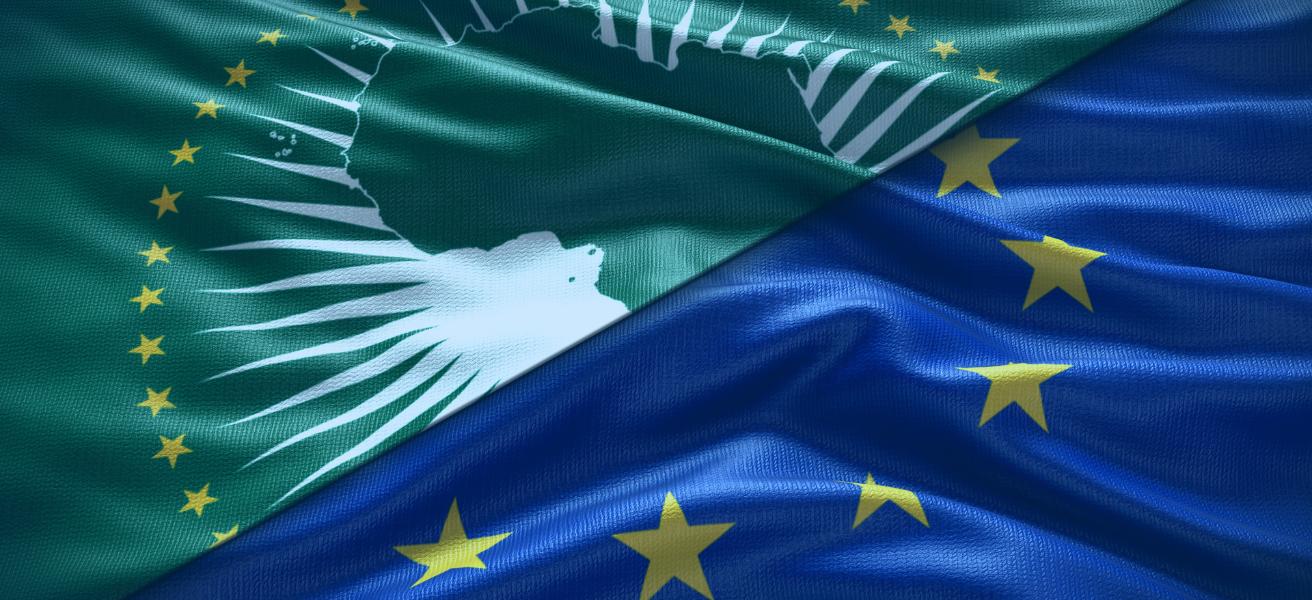
Africa, with its immense possibilities and challenges, has been attracting attention and investment. Recently, the European Union (EU) strengthened its relationship with the continent, promising significant investment in African infrastructure.
Jutta Urpilainen, EU Commissioner for International Partnerships, announced in Abuja, Nigeria, an investment of 150 billion euros to be spread over four years. This amount is intended to improve infrastructure in several African countries, solidifying the partnership and cooperation between the two regions.
The Global Gateway initiative is not just an infrastructure project. According to Urpilainen, it is a strategy to strengthen economic ties and promote sustainable development and environmental protection. In addition, it aims to solidify relations with key countries, such as Nigeria, and other African partners.
We live in a constantly changing and sometimes troubled world. The recent war between Russia and Ukraine, the political events in Nigeria and the ongoing conflicts in the Middle East are proof of this. Amidst this backdrop, the Global Gateway strategy presents itself as a positive response from the EU, seeking to build resilient connections and form strategic partnerships to tackle contemporary challenges, from climate change to public health.
Commissioner Urpilainen highlighted the EU's commitment to the African energy sector, mentioning the investment in mini-grids and small hydropower plants. These initiatives will not only boost energy production but will also serve public purposes, playing a crucial role in the sustainable development of the continent.
The strengthened partnership between the EU and Africa foresees a promising future for the African continent. With targeted investments and well-thought-out strategies, the possibilities for growth and cooperation are vast.
What is the main objective of the "Global Gateway" initiative?
To improve connectivity, foster sustainable development and strengthen economic relations between the EU and African partner countries.
What are the global challenges mentioned by Commissioner Urpilainen?
The war between Russia and Ukraine, political instability in Niger and the Israeli-Palestinian conflict.
Where was the announcement of this investment made?
In Abuja, the capital of Nigeria.
Which areas of African infrastructure will benefit?
While many areas will benefit, special emphasis has been placed on the energy sector, including mini-grids and small hydroelectric plants.
Why is the EU focusing on strategic partnerships?
To build resilient connections and jointly face the challenges of our times.
Font: Business Insider África